
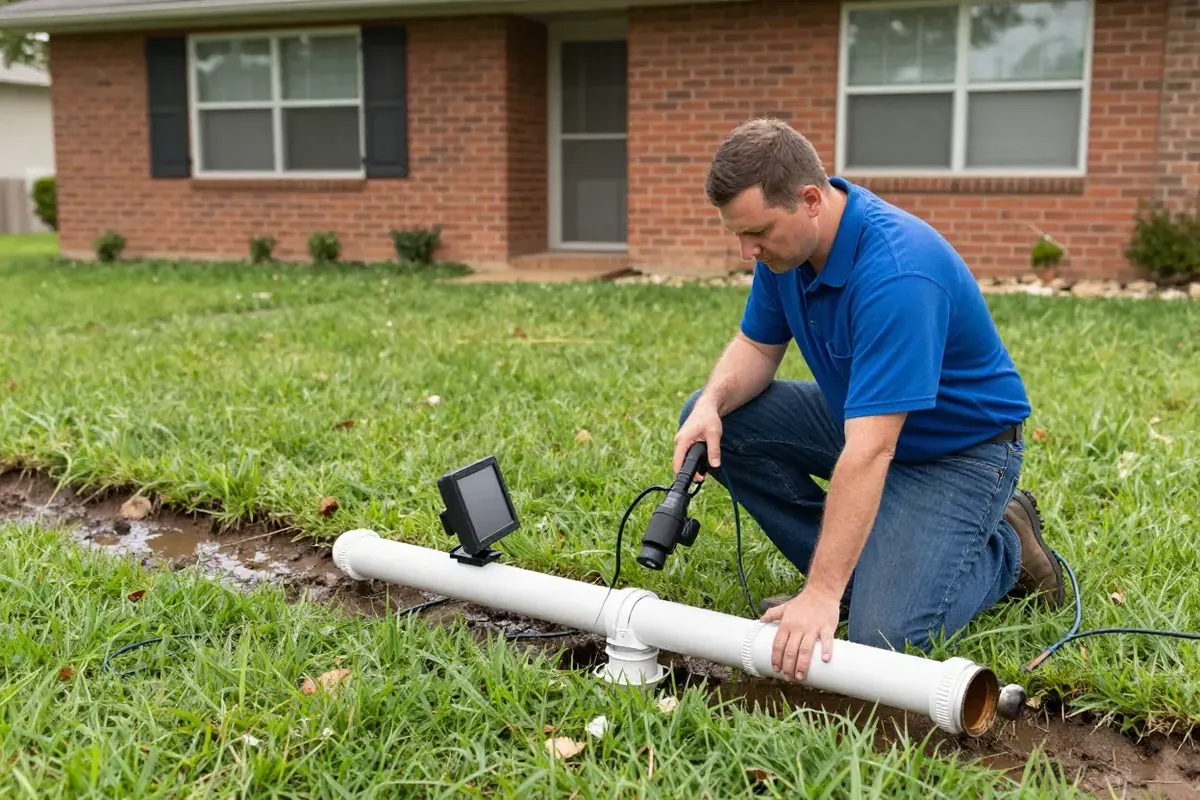
Sewer leaks
Sewer Line Leak in the Yard: Signs, Tests and Repair Options in Arlington
Green, soggy stripe in the lawn or a sewage smell by the cleanout? How a leaking sewer lateral is found and fixed in Arlington yards.
Slab leaks
Once a slab leak is found, the next question is how to reach the pipe. A crew can cut through your floor from inside, or dig a tunnel from outside and crawl under the foundation to the leak. In Arlington, where many homes have tile, hardwood and finished rooms over the slab, that choice changes the mess, the time and the price. Here is how each method works and how to decide.
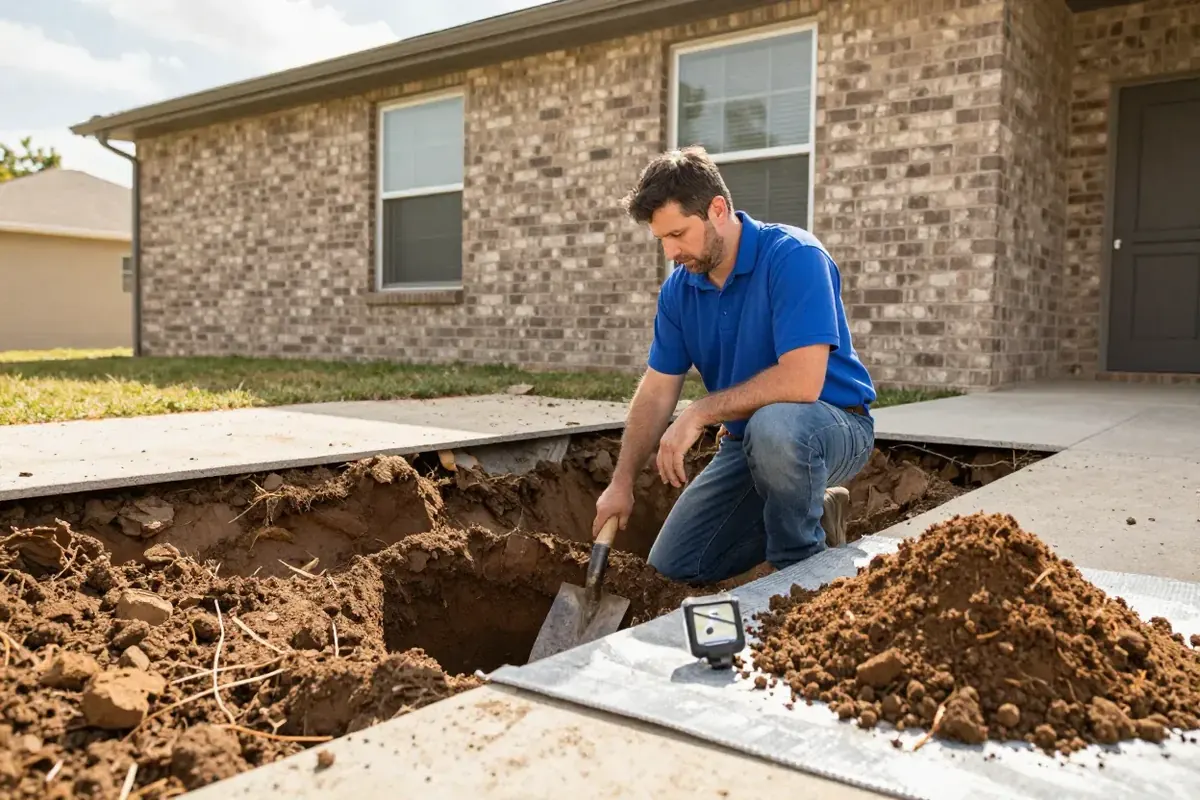
Breaking the floor means cutting a small opening in the slab right above the leak, fixing the pipe and patching the concrete. Tunneling means digging from outside the house and under the foundation to reach the pipe without touching your floors. Floor access is faster and usually cheaper for a leak near an outside wall or under easy flooring. Tunneling fits leaks under cabinets, tubs, tile or rooms you cannot empty.
There are three ways to deal with a leaking pipe under a slab: open the floor above the leak, tunnel under the foundation from outside, or skip the old pipe and reroute a new line through the walls and attic. The first two fix the pipe where it is. A reroute abandons it. Which one fits depends on where the leak is and what sits on top of it.
A good repair starts with an exact location. Electronic listening, line isolation and thermal imaging narrow the leak to a small spot. Our leak detection Arlington visit guide walks through those steps. Slab leak detection usually costs about $250 to $600 here, and it is what makes either a small floor cut or a short tunnel possible.
The crew protects the room, removes the flooring over the leak, saw-cuts a small square of concrete, and digs down to the pipe. They replace the bad section, pressure-test the line and fill the hole with new concrete. Flooring is replaced after the patch cures. It is usually a one to two day repair with the most dust inside the home.
Spot repairs in Arlington often cost about $1,500 to $4,000, including breaking and patching the concrete. Matching discontinued tile can add time and cost.
Tunneling starts with a pit next to the foundation, closest to the leak. The crew digs horizontally under the slab, about two feet below it, until they reach the pipe. They repair it from below, test it, then backfill and compact the tunnel in layers. Nothing inside your house is cut, so floors, cabinets and fixtures stay in place.
Arlington's clay soil makes tunneling slow, hard work. When the clay is dry in late summer it is like brick, and after rain it is heavy and sticky. Crews often use small electric tools and conveyors to move the dirt, and the soil has to go back in carefully. Poorly packed backfill can settle and leave a void under the slab, which matters a lot in a city where foundation movement is already common.
Tunneling is usually priced after an inspection, because the cost depends on how far the leak sits from the outside wall, what is in the way, and the soil. Every foot of tunnel adds labor.
Choose floor access when the leak is close to an outside wall, under concrete, vinyl or carpet, or in a room that is easy to clear. Choose tunneling when the leak sits under a kitchen island, built-in cabinets, a tub or shower, expensive tile or hardwood, or when someone in the home cannot handle indoor dust.
| Factor | Breaking the floor | Tunneling |
|---|---|---|
| Inside mess | Dust and debris in one room | Almost none inside |
| Flooring | Must be removed and replaced | Left in place |
| Typical time | One to two days plus flooring | Several days, depending on distance |
| Price | Spot repairs often $1,500 to $4,000 | Quoted after inspection |
| Best for | Leaks near walls, easy flooring | Leaks under cabinets, tubs, fine floors |
| Main risk | Tile or wood matching | Backfill settling if not compacted well |
If the pipes have leaked more than once, neither method may be the best use of your money. A reroute or full repipe can cost more up front but ends the cycle. Our house repiping cost calculator gives a rough number for a whole-home PEX repipe so you can compare it with a single repair.
Done right, tunneling does not weaken the foundation, because the beams and slab are not cut and the tunnel is filled and compacted afterward. Done poorly, loose backfill can settle and leave the slab unsupported. Ask how the crew will backfill, whether they compact in layers, and whether they will flood or pump the fill, before you sign.
Arlington has a lot of post-tension slabs. Those have steel cables inside the concrete under high tension, and cutting one is dangerous and expensive. That is one more reason to have the leak pinpointed first and to work with a crew that checks for cables before any saw touches the floor. Tunneling avoids the cables entirely.
Ask exactly where the leak is and how far it is from the nearest outside wall, what flooring and fixtures sit above it, whether the slab is post-tension, how long each method will take, how the tunnel or patch will be backfilled, who replaces the flooring, and whether a pressure test will be done after the repair.
Our team handles slab leak repair in Arlington with all three methods, and you get a written price before any work begins. Call (817) 285-5426 24/7 to talk through your leak.
Not always. Tunneling avoids indoor mess and keeps floors and cabinets in place, which makes it better for leaks under kitchens, tubs or fine flooring. Breaking the floor is usually faster and cheaper when the leak is near an outside wall or under easy-to-replace flooring.
A spot repair through the floor in Arlington often costs about $1,500 to $4,000, including breaking and patching the concrete. Tunneling, reroutes and repipes are quoted after an inspection because distance and access change the price.
It depends on how far the leak is from the outside wall and how hard the clay is. Short tunnels can be done in a couple of days, while long runs under the middle of the house can take several days.
When the tunnel is backfilled and compacted in layers, the foundation is not weakened. Problems come from loose fill that settles later, so ask the crew how they backfill and test the repair.
Many Texas policies help pay to access the pipe and repair the floor or tunnel, but not to fix the pipe itself. Coverage varies, so check your policy and keep the leak detection report and photos.
Sewer leaks
Green, soggy stripe in the lawn or a sewage smell by the cleanout? How a leaking sewer lateral is found and fixed in Arlington yards.
Water line leaks
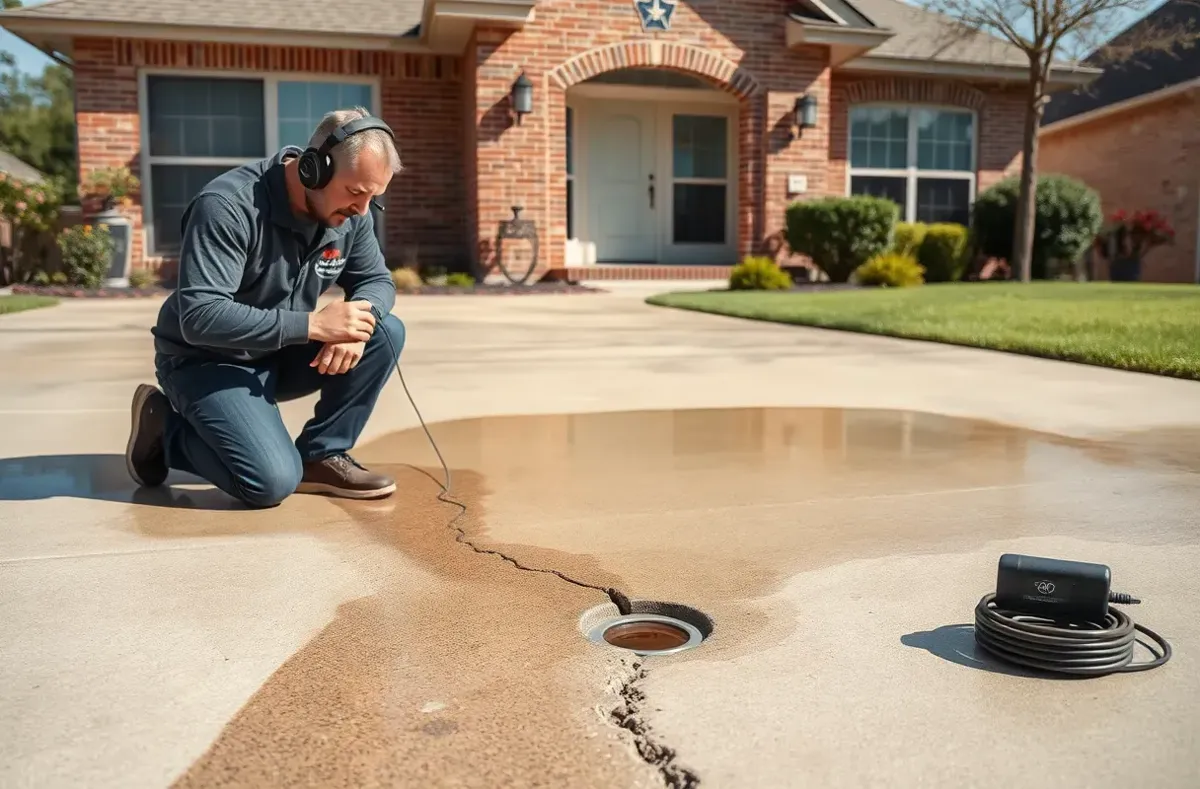
Water seeping through driveway cracks on a dry day usually means a buried line is leaking. How to test it and find it without tearing up concrete.
Yard leaks
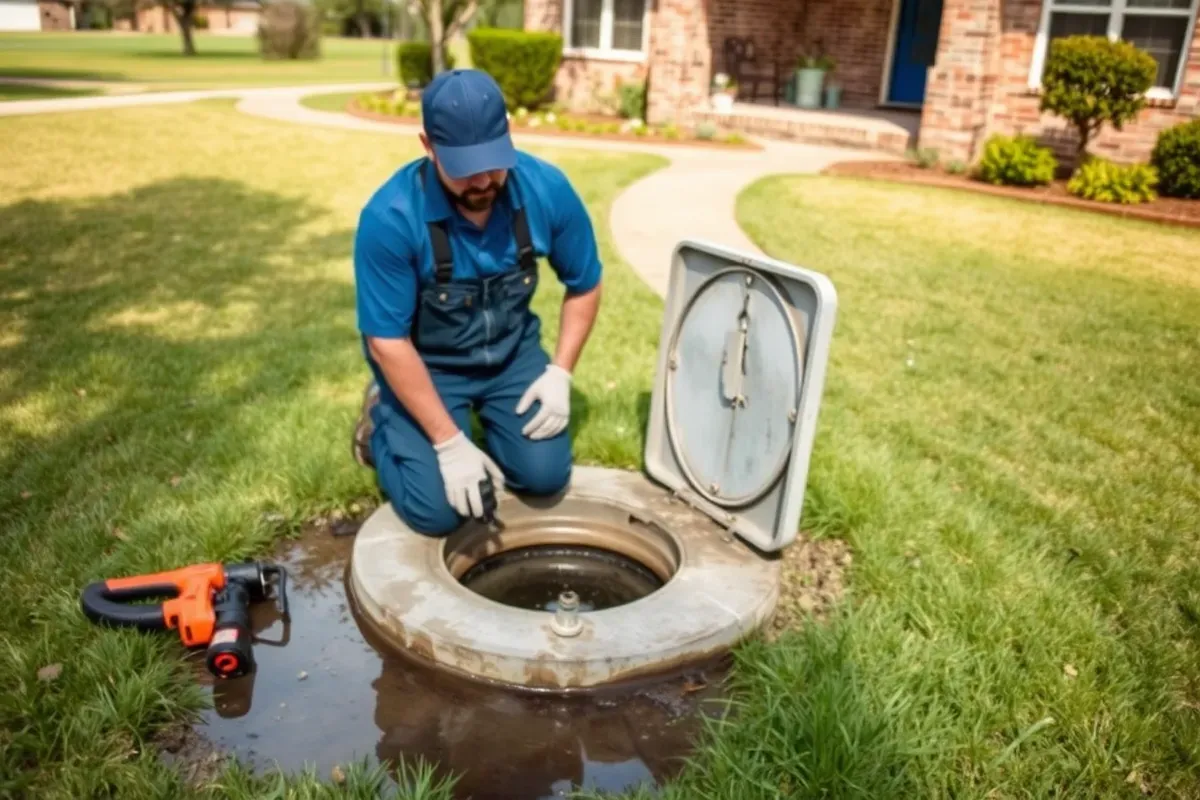
A wet spot near the property line could be your leak, your neighbor's or the city's. How to tell, who pays and how to prove it.
Arlington Leak Pros finds hidden slab, water line, pool and wall leaks without tearing up your home. Open 24/7.
(817) 285-5426