
Emergency prep
Where Is Your Main Water Shut-Off? A Guide for Arlington Homes
When a pipe bursts, every minute counts. Where to find your shut-off and how to close it.
Hidden leaks
A damp, earthy smell that keeps coming back often means water is hiding somewhere. Here is how to track it down.
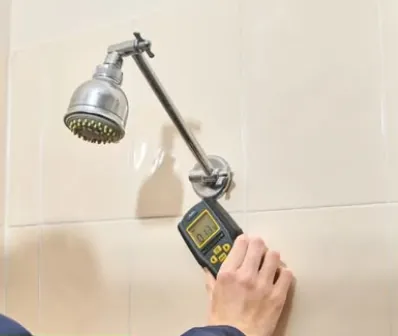
A musty smell is often the first sign of a hidden water leak. Damp drywall, wet carpet pad and soaked wood give off an earthy, mildew-like odor, long before you see a stain. If the smell keeps coming back in one area, water is likely getting in somewhere. Call (817) 285-5426 for hidden leak detection in Arlington, 24/7.
When drywall, insulation, wood or carpet stay damp, mold and mildew begin to grow. They release the musty, earthy smell people notice. Hidden leaks keep these materials wet for days or weeks, which is why the smell lingers in one room even after cleaning.
The most common sources are under kitchen and bathroom sinks, behind showers and tubs, around toilets, near the water heater and washing machine, under carpet near a slab leak, and in ceilings below upstairs bathrooms. Closets that share a wall with a bathroom are another frequent spot.
Follow your nose to the strongest spot. Look and feel for damp or soft drywall, stains, peeling paint, warped baseboards and damp carpet. Check under sinks with a flashlight. Then turn off all water and check the water meter. If it moves, a pressurized pipe is leaking somewhere.
Our water meter test guide walks through it step by step.
Yes. Musty smells can also come from high indoor humidity, an AC drain line that is clogged or leaking, a dry floor drain or P-trap, a dirty AC filter or coil, or a roof leak. If the smell gets worse after showers or near plumbing walls, a plumbing leak is more likely.
A sewer or rotten smell is different from a musty one. Sewer odors point to drain or sewer line problems. See our sewer camera guide.
Think you have a leak? A licensed Arlington technician answers 24/7.
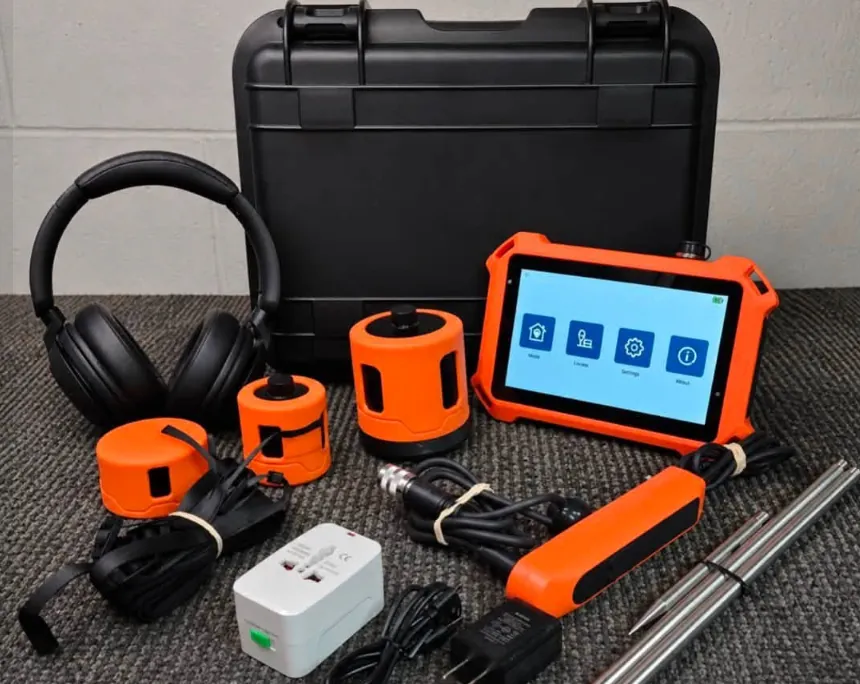
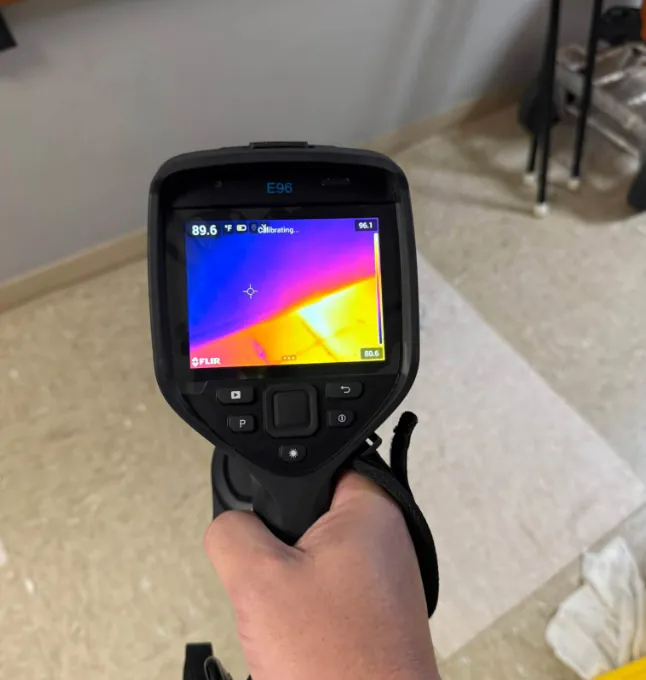
Call Now (817) 285-5426A technician maps moisture with a moisture meter, scans walls, floors and ceilings with a thermal camera, and pressure tests the water lines to see if one is leaking. Acoustic gear can hear a pressurized leak inside a wall or under the slab. This finds the source without tearing out large areas.
Read more in how leak detection works and our guide to leaks in walls and ceilings.
The longer materials stay wet, the more damage builds up: rotting wood, ruined drywall and flooring, and spreading mold. Fast action also matters for insurance, since many policies do not cover damage from long-term leaks. Find the source, stop the water, then dry the area fully.
See our guide on what insurance usually covers for leaks.
Basic leak detection in Arlington usually costs about $150 to $400, and slab leak detection about $250 to $600. The price depends on how many areas need checking and how easy they are to reach. You get a clear price before any work begins.
See our full leak detection cost table.
Yes. Water can soak drywall, insulation or carpet pad from behind or below long before a stain shows. The smell is often the first clue.
It may hide the smell for a while, but it will not stop the leak. If water keeps getting in, the smell and damage will come back.
Often, yes. Check for damp cabinet floors, drips at the supply lines and drain, and swelling in the wood. Even a slow drip can cause a strong smell.
Find and stop the water first. A leak detection plumber locates the source so it can be fixed. Then deal with drying and any mold so the problem does not return.
Emergency prep
When a pipe bursts, every minute counts. Where to find your shut-off and how to close it.
Gas safety
A rotten egg smell, a hiss or dead plants near the gas line. What to do first and what comes next.
Winter prep
North Texas freezes are rare but costly. Simple steps to protect your pipes, and what to do if one bursts.
Arlington Leak Pros finds hidden slab, water line, pool and wall leaks without tearing up your home. Open 24/7.
(817) 285-5426