
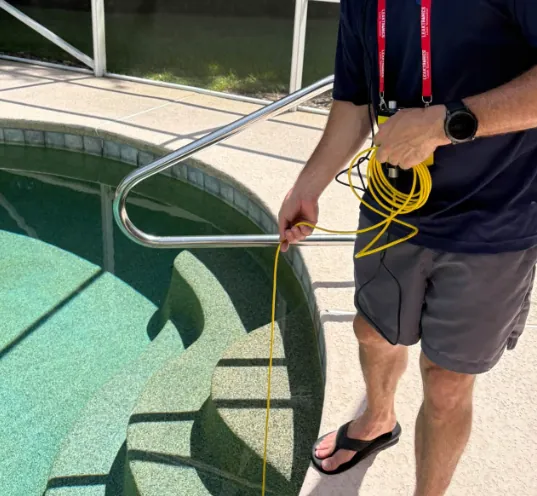
Pool leaks
Is Your Arlington Pool Leaking or Just Evaporating?
North Texas heat pulls water out of pools fast. Use the bucket test to tell evaporation from a leak.
Slab leaks
Warm floors, hidden hissing and high bills. How to spot a leak under your slab before it damages your home.
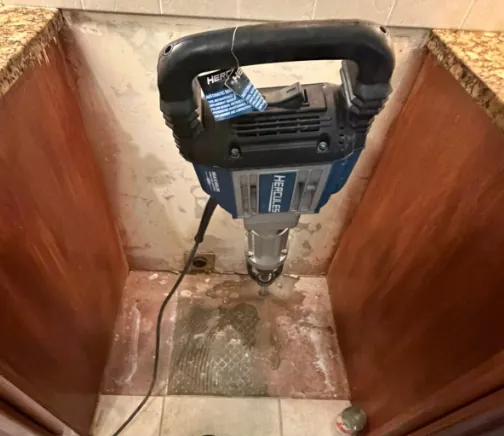
A slab leak is a leak in a water pipe that runs under your home's concrete foundation. Almost every Arlington home sits on a slab, so these leaks are common here. If you notice the signs below, call Arlington Leak Pros at (817) 285-5426, 24/7. Our slab leak detection service finds the leak without tearing up your floors.
If you notice two or more of these signs, book slab leak detection in Arlington so the leak is found to find the leak before the floor is opened.
A slab leak is a crack or pinhole in a water line buried under or inside a concrete slab foundation. Water escapes into the soil or seeps up through the floor. You usually cannot see it at first. Over weeks, it raises your water bill, soaks flooring, and can move the soil that holds up your foundation.
Both hot and cold water lines can leak. A hot water line leak often shows up as a warm spot on the floor. A cold water line leak is harder to notice because it gives off no heat.
Arlington homes sit on expansive clay soil. The clay swells when it rains and shrinks in summers over 100°F. That movement bends and rubs the copper water lines under the slab until they wear through. Older pipes and hard freezes, like Winter Storm Uri in 2021, add even more stress.
Many homes built from the 1960s to the 1990s, in areas like Woodland West, Interlochen and East Arlington, still have their original copper or cast iron lines under the slab. Newer homes in Viridian and South Arlington can leak too, usually from a fitting or a nail from construction.
The most common slab leak signs are a water bill that jumps, the sound of running water with every tap off, warm spots on the floor, and a water meter that keeps moving. If you see two or more of the signs below, schedule leak detection soon.
Use your water meter. Turn off every faucet, toilet, appliance and sprinkler. Open the meter box near the street and note the reading or the small leak indicator. Wait 15 minutes without using any water. If the reading changes or the indicator spins, water is leaking somewhere on your property.
Next, close the main shut-off valve at the house and check the meter again. If it stops moving, the leak is inside the home, which often means under the slab or in a wall. If it keeps moving, the leak is likely in the underground water line between the meter and the house.
Want to rule out simple causes first? Our guide on why your Arlington water bill is high walks through toilets, sprinklers and faucets.
Think you have a leak? A licensed Arlington technician answers 24/7.
Call Now (817) 285-5426A licensed technician uses non-invasive tools to pinpoint the leak, usually within a foot or two. Pressure tests confirm which line is leaking. Acoustic microphones hear water escaping through concrete. Thermal cameras show heat from hot water leaks. Line tracers map where the pipe runs under the slab.
Because the leak is marked before any concrete is cut, only one small spot is opened. That means less mess, a smaller repair and a lower bill. You can read more about the tools we use for leak detection.
Slab leak detection in Arlington usually costs about $250 to $600. A slab leak spot repair often runs about $1,500 to $4,000, depending on where the leak is and how hard it is to reach. These are general estimates. We give you an exact price before any work begins.
| Service | Typical cost (approx.) |
|---|---|
| Basic leak detection | $150 – $400 |
| Slab leak detection | $250 – $600 |
| Slab leak spot repair | $1,500 – $4,000 |
General estimates for Arlington, TX in 2026. See our full leak detection cost table.
There are four common ways to fix a slab leak: a spot repair through the slab, rerouting the line through walls or the attic, tunneling under the foundation, or repiping with PEX. The best choice depends on the age of your pipes and how many leaks you have had.
Learn more about our leak repair work.
Close the main water shut-off to stop the damage. Turn off the water heater if you suspect a hot water leak. Keep away from wet outlets, take photos for insurance, and call a licensed leak detection company to pinpoint the leak before anyone cuts into the floor.
See our full list of steps to take during a leak.
Many Texas homeowners policies help pay for water damage and the cost to reach a broken pipe, often called tear-out coverage. Many do not pay to fix the pipe itself or damage from slow, long-term leaks. Check your policy or ask your agent before work begins.
Yes, it can. Water from a slab leak soaks the clay soil under your home. Arlington clay swells when wet, which can lift or shift parts of the slab. Finding and fixing the leak early lowers that risk.
Most slab leak detection visits take one to three hours. Homes with several lines or a hard-to-hear cold water leak can take longer. The technician marks the leak and explains your repair options before leaving.
Not always. Sun through a window or a heating duct under the floor can warm a spot too. But a warm spot that stays warm at night, along with a higher water bill or a running water sound, is a strong sign of a hot water slab leak.
Pool leaks
North Texas heat pulls water out of pools fast. Use the bucket test to tell evaporation from a leak.
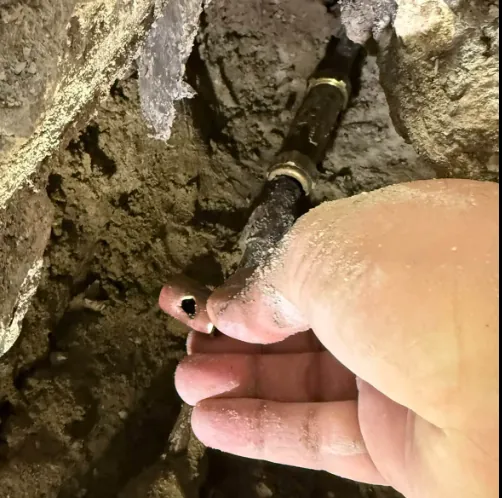
Water lines
A soggy yard, weak pressure or a spinning meter can mean the line from the street is leaking.
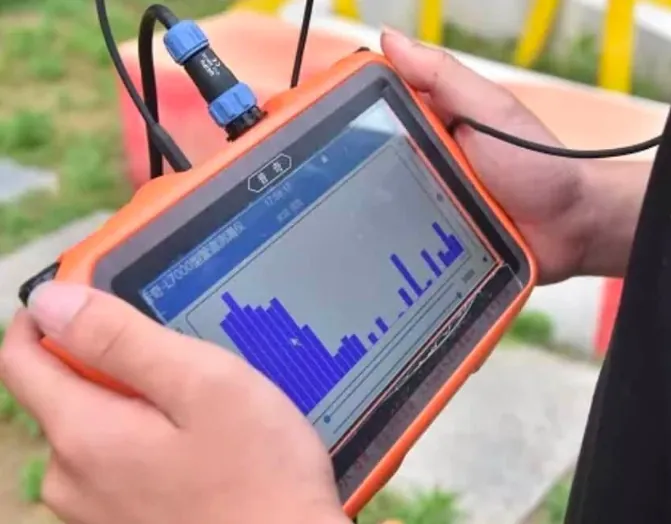
Hidden leaks
Six common causes of a sudden bill jump, plus a free 15-minute meter test you can do today.
Arlington Leak Pros finds hidden slab, water line, pool and wall leaks without tearing up your home. Open 24/7.
(817) 285-5426